Top Rated Business Automation Platforms in the US
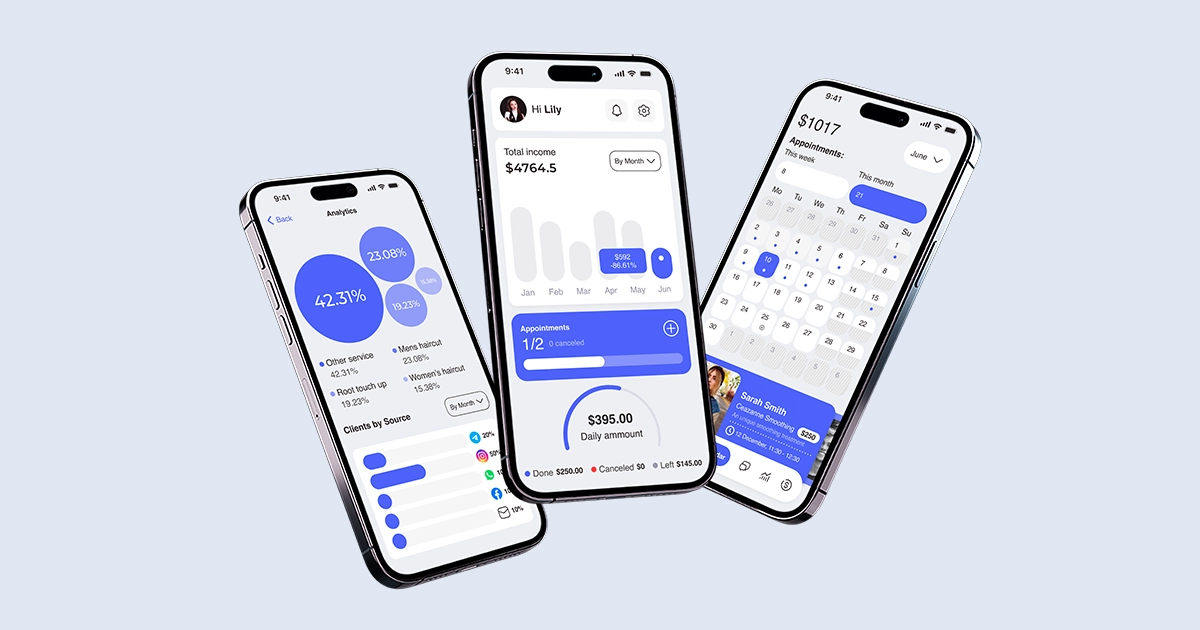
If you run a small business, you already know the truth - time disappears fast. Between juggling clients, scheduling, marketing, and finances, the day ends before you’ve even started on what matters most. That’s why more US entrepreneurs are turning to automation platforms that quietly take care of the routine and help everything run smoother.
The best business automation platforms in the US aren’t about replacing people. They’re about connecting the dots - pulling your messages, invoices, bookings, and reports into one place so you can breathe again. From AI-powered scheduling to real-time client management, these tools are changing how small businesses actually work.
According to Statista (2024), more than 65% of American small businesses already use at least one automation tool. By 2026, that number will likely cross 80%. The reason’s simple: clients expect speed, and owners need sanity. Businesses that integrate automation into their daily workflows report an average 25–30% boost in productivity and a 40% faster response rate to client inquiries.
Why Automation Became Non-Negotiable
Once upon a time, automation felt like something only big companies could afford. Today, it’s the backbone of almost every thriving small business. When your customers expect replies within minutes, spreadsheets and sticky notes don’t cut it anymore.
Owners across the US are using AI-powered systems that handle the everyday grind - sending reminders, logging appointments, tracking payments, and following up with clients automatically. The result isn’t just time saved. It’s consistency, fewer mistakes, and a better client experience.
A recent Forbes small business survey (2025) found that companies using automation software saw an average 37% increase in client retention and 28% fewer missed payments. Because let’s be honest: no one started their business to chase confirmations and overdue invoices.
How Small Businesses Are Using AI
Across the country, small business owners are finding their rhythm with automation. A nail artist in Miami, a fitness trainer in Austin, a wedding photographer in Seattle - they’re all using AI assistants to manage bookings, send personalized messages, and track customer loyalty.
This isn’t about turning businesses into robots. It’s about keeping up with the way clients communicate now - fast, casual, and across multiple apps. The smartest entrepreneurs use automation as their silent team: it works while they sleep, and it never forgets a reminder.
Data from McKinsey (2025) shows that AI-driven automation can save small business owners up to 15 hours per week, reduce admin workload by up to 35%, and increase repeat business by 22%.
What Makes a Business Automation Platform Worth Your Time
With so many tools out there, choosing one can feel like standing in front of a buffet. The trick is to pick what truly fits how you work. Here’s what separates good platforms from the great ones:
• Integration - It should plug right into what you already use - your calendar, WhatsApp, or payment apps.
• CRM automation - Tracks clients, messages, and follow-ups automatically.
• Omnichannel communication - Brings your Instagram, Messenger, and email conversations into one inbox.
• Smart scheduling - Lets clients book or reschedule anytime, without back-and-forth.
• Real analytics - Shows where you’re growing and what needs work.
• Ease of use - Because if it takes a month to learn, it’s not helping.
The real challenge isn’t finding a new app - it’s finding one that feels natural to use every day. In fact, 64% of small business owners abandon software that takes more than two weeks to implement.
A Look at the US Market
In the US, service-based businesses dominate: salons, coaching studios, creative freelancers, fitness trainers, realtors, and repair professionals. These aren’t tech giants - they’re people who rely on trust, communication, and time management.
For them, automation has to be fast and visual. It should work on a phone, not just a laptop. Platforms like Halper and Zapier have grown popular because they meet owners where they already are - inside messaging apps and booking links, not spreadsheets.
Quick Comparison: Top Automation Platforms 2025
| Platform | Best For | Strength | Limitation |
|---|---|---|---|
| Halper | Solopreneurs & small teams | All-in-one AI management | Limited enterprise tools |
| Zapier | Tech-savvy users | Flexible app connections | Requires setup |
| HubSpot | Mid-size teams | Marketing & CRM power | Higher pricing tiers |
| Monday.com | Project-focused teams | Visual task tracking | No native messaging |
| ActiveCampaign | Marketing-driven owners | Personalized automation | Steeper learning curve |
According to Capterra (2025), Halper and HubSpot rank among the top three most trusted automation platforms for small businesses, with satisfaction rates above 92%.
What’s Changing in Business Automation
Automation in 2025 looks different from even two years ago. It’s faster, more conversational, and tailored to each customer.
• AI personalization - assistants that adjust tone and timing to match your brand.
• Mobile-first dashboards - automation you can run from your phone.
• Unified analytics - tracking communication, sales, and engagement in one space.
• Predictive scheduling - systems that suggest the best appointment times.
• Human-sounding AI - messages that feel written by you, not by code.
A Salesforce 2025 report found that 71% of small businesses now expect AI tools to personalize client interactions automatically, and 54% already use mobile dashboards to manage their operations. The trend is clear: automation is moving from “set it and forget it” to “learn and adapt.”
Frequently Asked
What is business automation software?
It’s software that handles the repetitive parts of running a business - scheduling, reminders, invoicing, and reporting - using AI and smart workflows.
Which tool is best for small businesses?
Halper is one of the most complete AI business managers for small teams, built to simplify communication, scheduling, and billing without outside integrations.
Is automation hard to set up?
Not anymore. Tools like Halper or HubSpot take minutes to connect and don’t require coding.
Does automation make businesses less personal?
Actually, the opposite. When you stop worrying about routine replies, you have more time to focus on real conversations.
Follow Halper










